
Keep clear of immediate hazards
Move people away from bulging ceilings, fallen materials and water near electrical fittings. Do not climb onto the roof, especially during rain or high winds.
Limit internal damage safely
If it is safe, move valuables and place containers under drips. Avoid puncturing a ceiling or touching wet electrical equipment. Contact the electricity network or an electrician if there is an electrical risk.
Record what you can see
Take photographs from safe positions and note when the leak began, the weather, affected rooms and any visible external damage. This helps the roofer understand the likely urgency.
Arrange a roof assessment
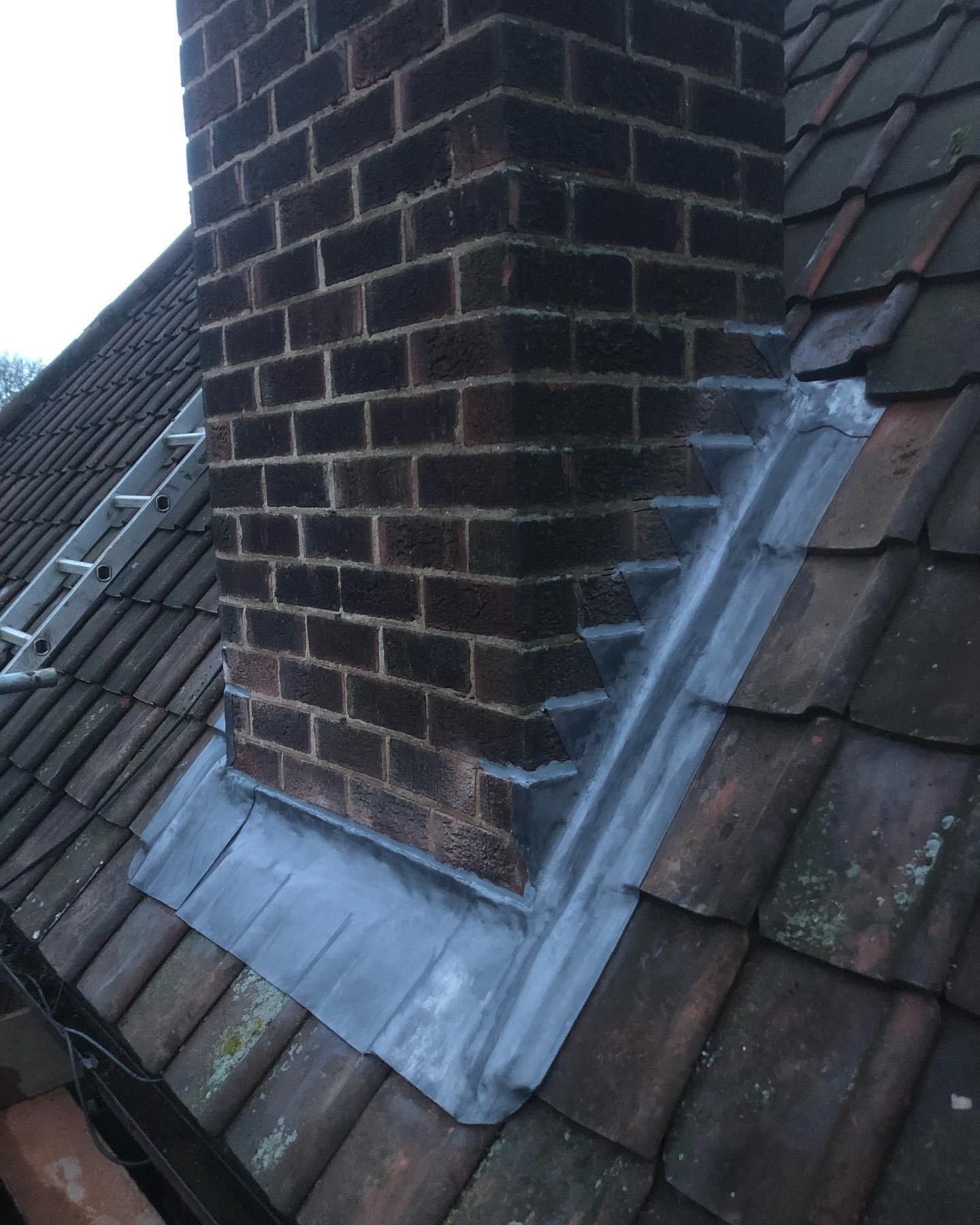
The internal stain may not be directly below the entry point. A roofing assessment should consider coverings, leadwork, valleys, chimneys, rooflights and drainage above the affected area.
Questions about this guide.
Should I go into the loft during a leak?
Only if access is safe, the structure appears stable and there is no electrical risk. Do not disturb wet insulation or an unsafe ceiling.
Is every roof leak an emergency?
Active water near electrics, bulging ceilings, falling material and open storm damage require urgent attention. Other leaks should still be assessed promptly.